HIV/AIDS
What is HIV and who does it impact?
HIV, or human immunodeficiency virus, attacks the body’s immune system, making it harder to fight infections and disease. Without treatment, HIV can lead to AIDS, acquired immunodeficiency syndrome. It impacts nearly 40 million people globally including adults, children, pregnant women and even infants.
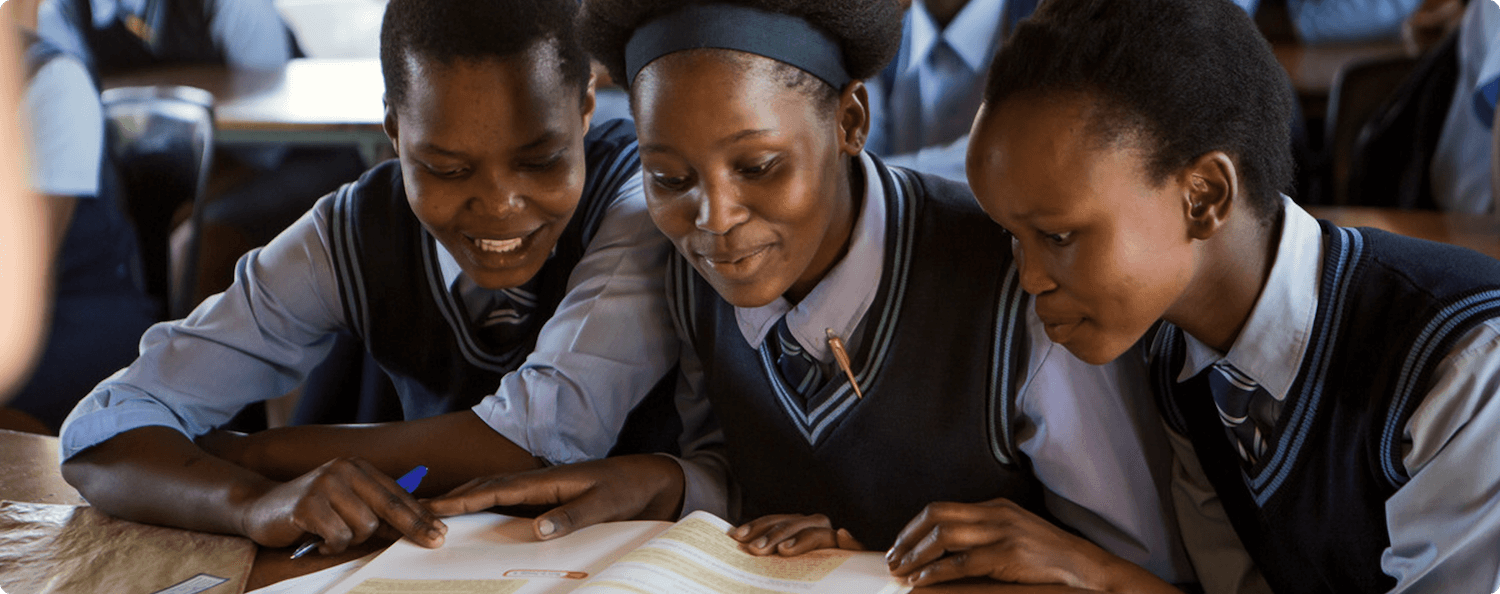
Across the world, girls and young women are more than two times at risk for HIV than their male counterparts.
In Sub-Saharan Africa—which bears the brunt of the HIV epidemic with more than 65% of people living HIV—girls and young women are 3-4 times more likely to acquire HIV than young boys.
These disparities are driven by a combination of stigma, gender inequalities, limited access to education and healthcare and socioeconomic barriers.
Progress Against the HIV/AIDS Epidemic
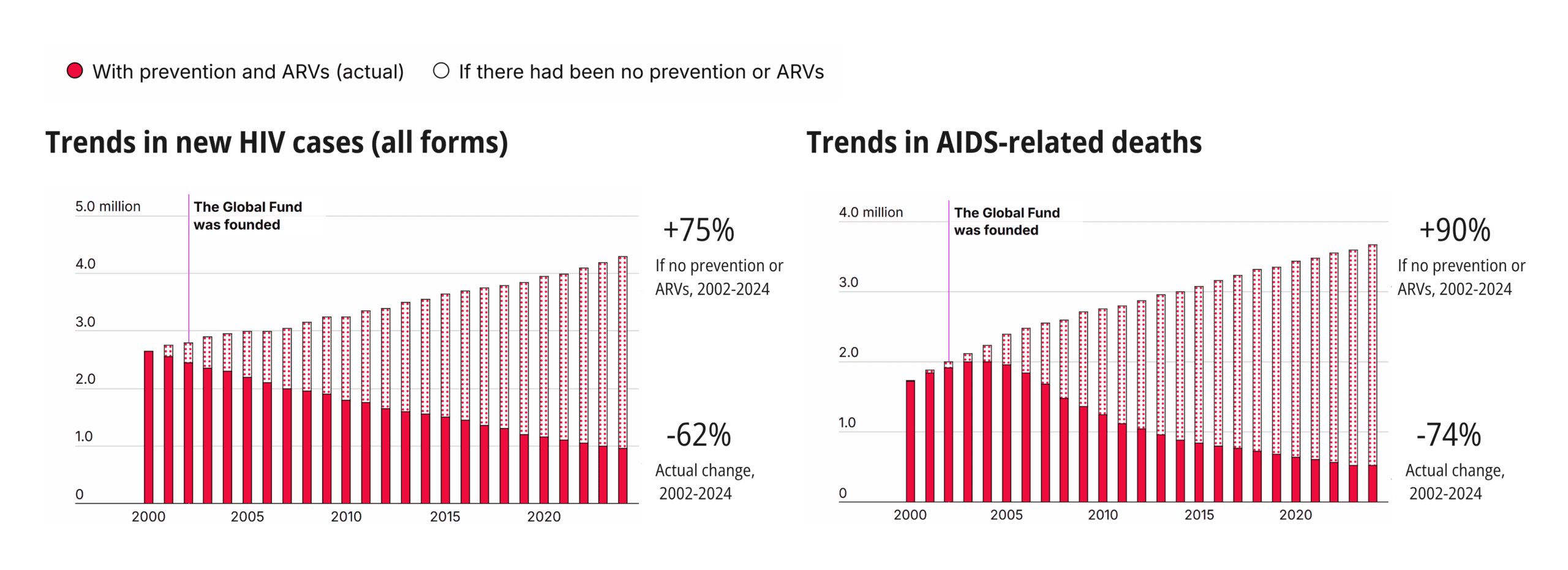
In countries where the Global Fund invests, AIDS-related deaths have been reduced by 74% since the Global Fund was founded in 2002 and new infections have been reduced by 62%. In the absence of HIV prevention and HIV treatment measures and antiretroviral medicines, deaths would have increased by 90% and new HIV infections by 75% over the same period.
Scaling innovations to end the HIV epidemic
Today, the Global Fund—working alongside U.S. bilateral programs and other global partners—is leading the next generation of HIV prevention, treatment and care.