
June 8, 2026
My kids survived the AIDS crisis. These children may not.
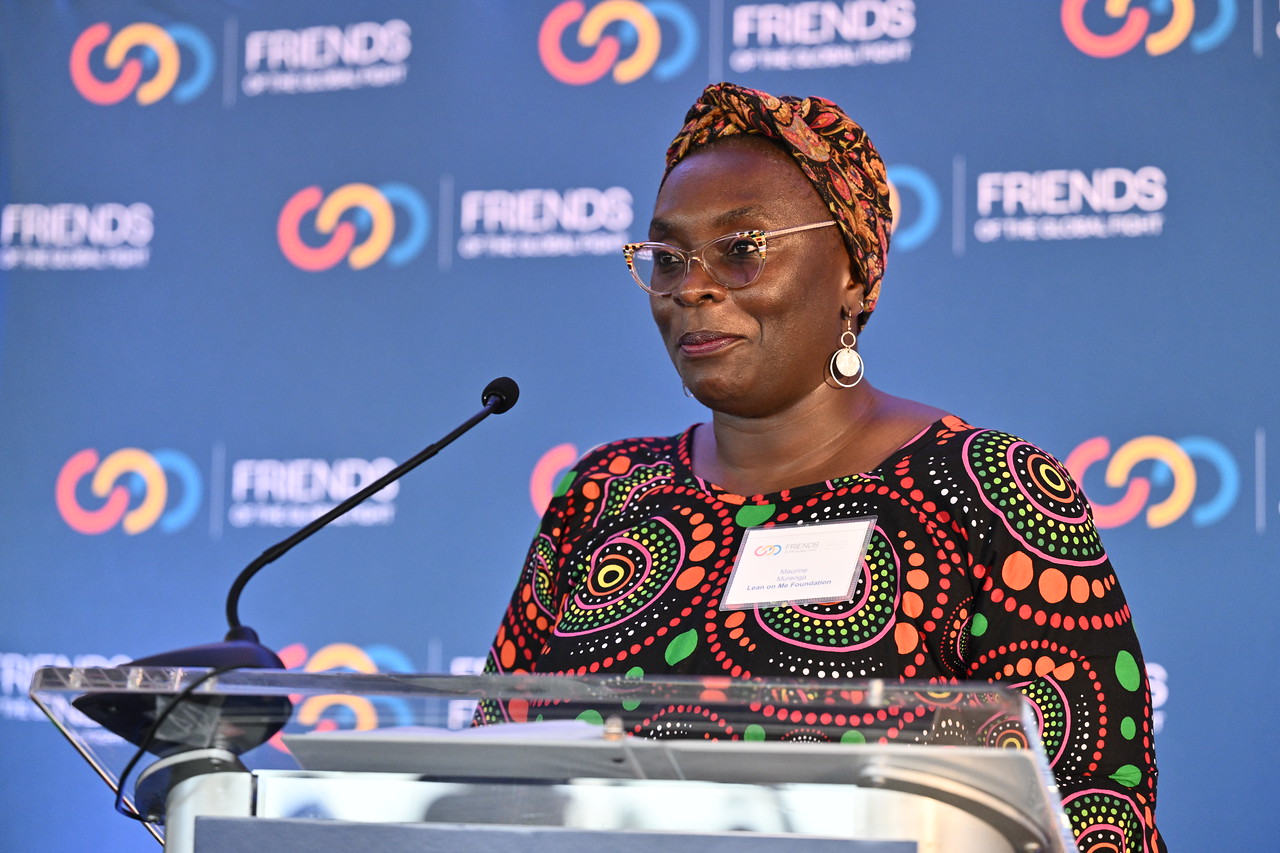
By Maurine Murenga
In the early 2000s, death was everywhere in my community in Kenya. Neighbors, friends, parents of young children and children themselves; the HIV/AIDS epidemic did not discriminate. I was pregnant, HIV-positive and terrified, not just for my own life, but for the life growing inside me. I had no way to protect my baby. I could only wait, and pray and grieve what I feared was already coming.
When I first learned that my son was born HIV positive, I did not celebrate. I sat with the weight of what I believed was a death sentence, for him and for me. My only worry was which of us would die first. I want you to hold that for a moment: a mother wondering whether she will outlive her newborn, or her newborn will outlive her. That was my reality. Thankfully, I never had to find out. In 2004, the Global Fund to Fight AIDS, Tuberculosis and Malaria, backed by American leadership, arrived in Kenya, bringing lifesaving treatment. With it came hope.
American investment did more than keep us alive. Advances in preventing mother-to-child transmission meant that years later, when I had another son, he could be born HIV-free. It felt like a miracle, and it was. But it was also the result of American leadership and generosity.
In the coming years, those investments would save the lives of millions of mothers and children facing similar fates. By 2024, U.S. leadership in the Global Fund and the President’s Emergency Plan for AIDS Relief (PEPFAR) had helped more than 7.8 million babies to be born HIV-free. 7.8 million children who got to live. 7.8 million mothers who did not have to ask the question I once asked myself.
Now, as Congress considers global health appropriations, the stakes couldn’t be higher.
New analysis by the Elizabeth Glaser Pediatric AIDS Foundation (EGPAF) on recent PEPFAR data is stark: 54,000 children who were receiving treatment one year ago are no longer receiving it today and HIV testing among children has dropped by more than a third.
This data, as EGPAF notes, indicates a decline in access to care, not a reduction in need. These are kids who had been diagnosed and enrolled in care. They did not all suddenly age out of the program; more likely, they fell into dangerous gaps in services and funding. And we have no way of knowing how many of them survived.
Without reliable, standardized data, we have no way of tracking how many of these children died, aged out of the program or lost access to services. And we can’t fix a problem that we can’t see.
These gaps have deadly consequences. In children, HIV progresses rapidly and often goes unnoticed until the child is critically ill. There is no grace period where coverage gaps can be quietly corrected. A child who misses months of lifesaving treatment cannot simply pick up where they left off.
And it’s not only HIV we are talking about. Malaria kills more children under five than almost any other disease on earth. It does not wait or pause for bureaucratic transitions. When global health infrastructure weakens, it is always the children who pay first.
As noted in a recent report from Friends of the Global Fight, gaps in data, reductions in testing and increases in the number of patients dropping out of treatment are clear warning signs of failed country transition, epidemic resurgence and widespread loss of life.
To heed those warnings, Congress must continue funding for PEPFAR and the Global Fund, including releasing all previously appropriated global health funding, and require high-quality, standardized data as well as rigorous accountability and oversight of country transitions.
My sons are now 23 and 13 years old. They are alive because treatment reached us in time. Every child deserves that same chance.
HIV is no longer a death sentence, but it becomes one the moment the medicines stop arriving, the moment the clinic closes, the moment a child who had been saved is suddenly unreachable. We have the tools to end this. What we need is the will to keep going.
Without sustained funding, reliable data and rigorous oversight, tens of thousands of children will die from a disease we already know how to treat. That is not tragedy. That is a choice. I am asking Congress not to make that choice. I am asking you, as a mother, as a survivor, as someone who has seen what is possible when America leads, not to look away.
Maurine Murenga is a passionate advocate for the health, development and human rights of women and girls living with HIV and affected by TB. Maurine founded the Lean on Me Foundation – an organization that provides comprehensive care and support to adolescent mothers and children living with and affected by HIV and TB in Kenya – and serves as a Board Member of the Communities Delegation on the Board of the Global Fund.