
June 23, 2026
Civil Society’s Essential Role in Country-Led Global Health Transitions
By: Isabella Castillo and Brent Nagel
As countries increasingly take the lead in financing and managing their health programs, one question has become more important than ever: how can they strengthen health systems while ensuring that the people most affected by disease remain at the center of decision-making?
That question was at the heart of a recent breakfast dialogue co-hosted by Friends of the Global Fight Against AIDS, Tuberculosis and Malaria and the United Nations Foundation’s United to Beat Malaria campaign, with generous support from the Global Fund Advocacy Network (GFAN). Coinciding with the release of Friends’ issue brief, Promising Practices in Advocacy for Domestic Health Spending, leading HIV, tuberculosis (TB) and malaria advocates from Kenya, Nigeria, Indonesia and Vietnam explored how civil society can help countries navigate shifting donor priorities and growing calls for health sovereignty while remaining responsive to community needs.
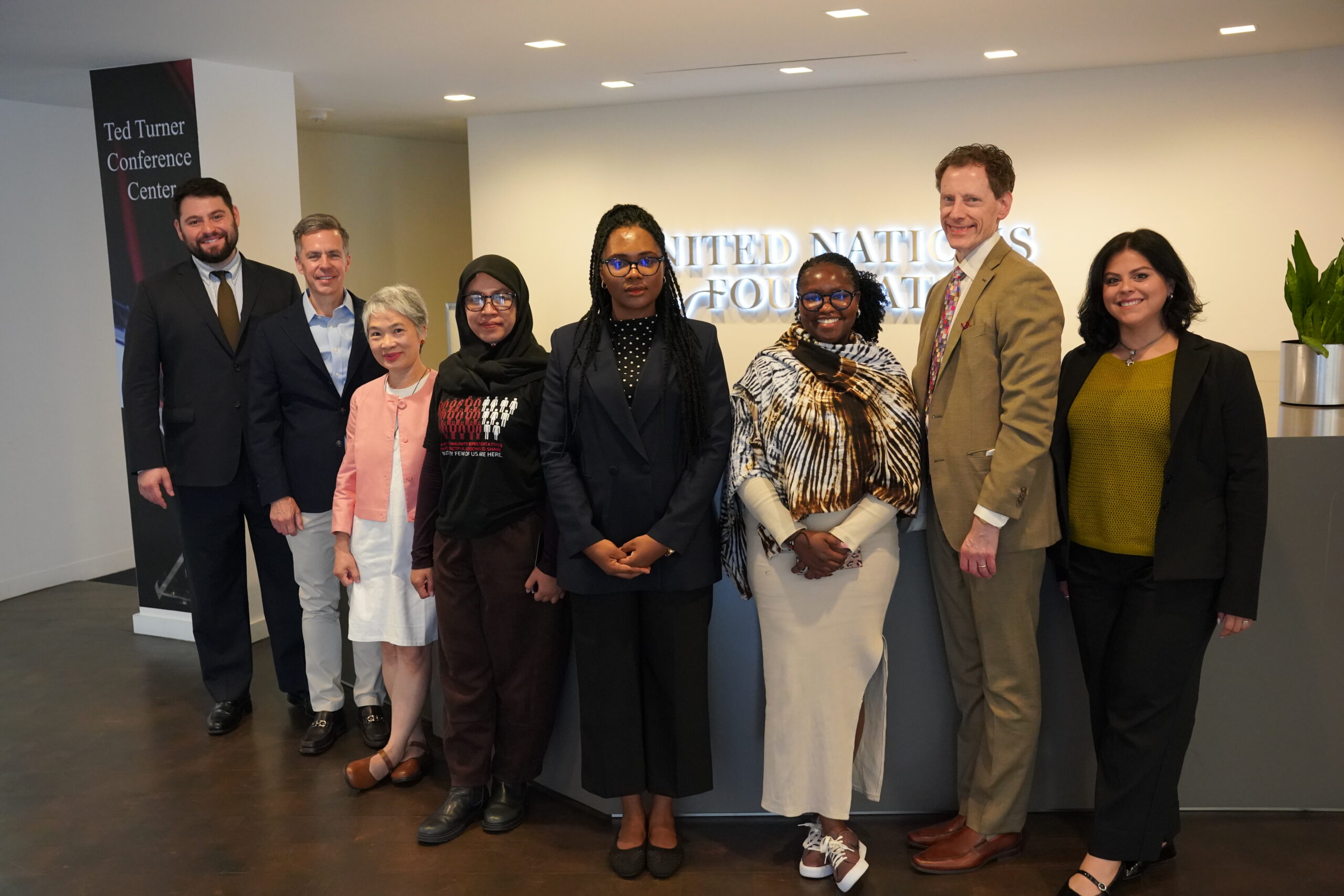
From left: Simon Stack, Chris Moore, Oanh Khuat, Ani Herna Sari, Deborah Ikeh, Jerop Limo, Mark Lagon and Isabella Castillo
Throughout the dialogue, speakers returned to a common theme: transitioning to greater ownership of health programs is not only about shifting financial responsibility from donors to national governments. It also requires mechanisms to monitor whether domestic funding commitments are fulfilled, whether services remain accessible and whether communities continue to have a voice in health decision-making. That’s where civil society can play an essential role, helping “de-risk” donor investments and ambitious transitions to country responsibility by ensuring U.S.-supported health programs remain effective, transparent and fully responsive to community needs.
Advocacy as an Iterative Process
Civil society advocacy is uniquely capable of sharing the lived experiences of those most affected by health programs.
Ani Herna Sari, a TB and drug-resistant tuberculosis (TB) survivor from Indonesia, shared the experience that changed her life. During her pregnancy, while undergoing treatment for active TB, Ani not only encountered stigma, but a painful separation from her newborn child immediately after giving birth and limited access to information about maternal health and treatment options. Those experiences shaped her understanding of advocacy as a tool for education and empowerment – and a way to ensure others don’t have to repeat her experience.
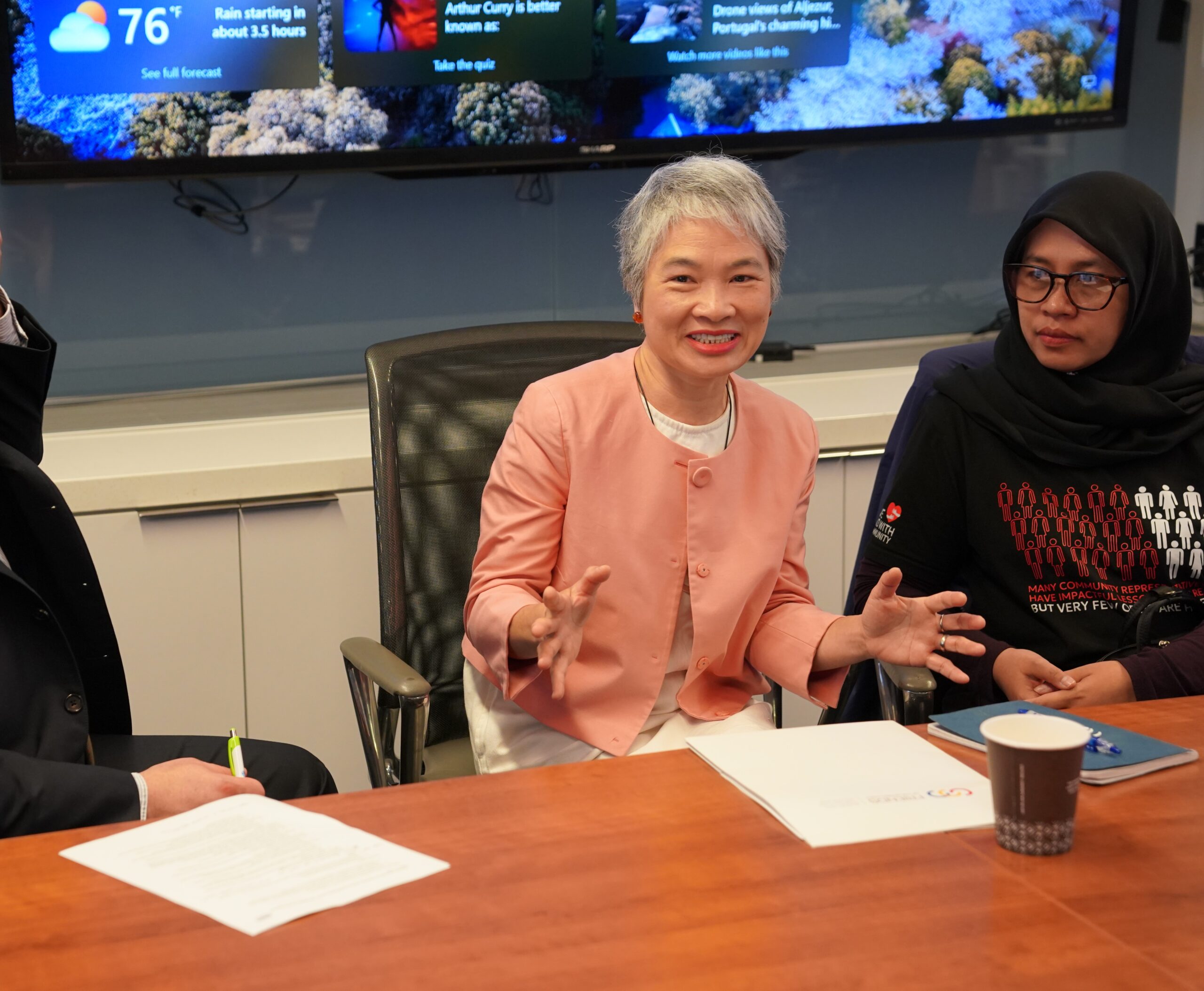
Oanh Khuat, a medical doctor by training and Executive Director of the Center for Supporting Community Development Initiatives in Vietnam, emphasized that the job of advocates is never finished. “Advocacy never stops. It is not a one day, one month or even five-year project,” she noted. As governments change, new health technologies emerge, and funding landscapes as well as the key players within them evolve, advocates are the constant through this change, continually elevating community voices and highlighting emerging health challenges.
That consistency is particularly important in countries facing significant epidemiological challenges. In 2024, Indonesia accounted for approximately 10 percent of all global TB cases, while Vietnam remains among the world’s highest-burden countries for TB. In this environment, sustained advocacy helps ensure that ongoing and emerging challenges remain visible and governments remain responsive as health priorities shift. This need is all the more important to avoid resurgence of infectious diseases like HIV/AIDS, TB and malaria as foreign assistance is ramped down, and to address emerging health emergencies like the newest wave of Ebola.
Understanding Where Influence Lives
Yet advocacy is not only about elevating emerging priorities or generating public awareness; it also requires understanding where influence resides and how decisions are made.
In Indonesia, civil society organizations conduct regular stakeholder mapping exercises and often engage with faith leaders, recognizing their influence within communities and ability to rally support. In Vietnam, advocates have found that public opinion can be just as important as legislative reform in advancing health priorities. As Oanh observed, “The law is important. But the support of the law by the general public is sometimes just as, if not more, important.” Public understanding and acceptance can ultimately determine whether healthcare protections for vulnerable populations are implemented effectively, trusted by communities and translated into meaningful access to services without stigma or discrimination.
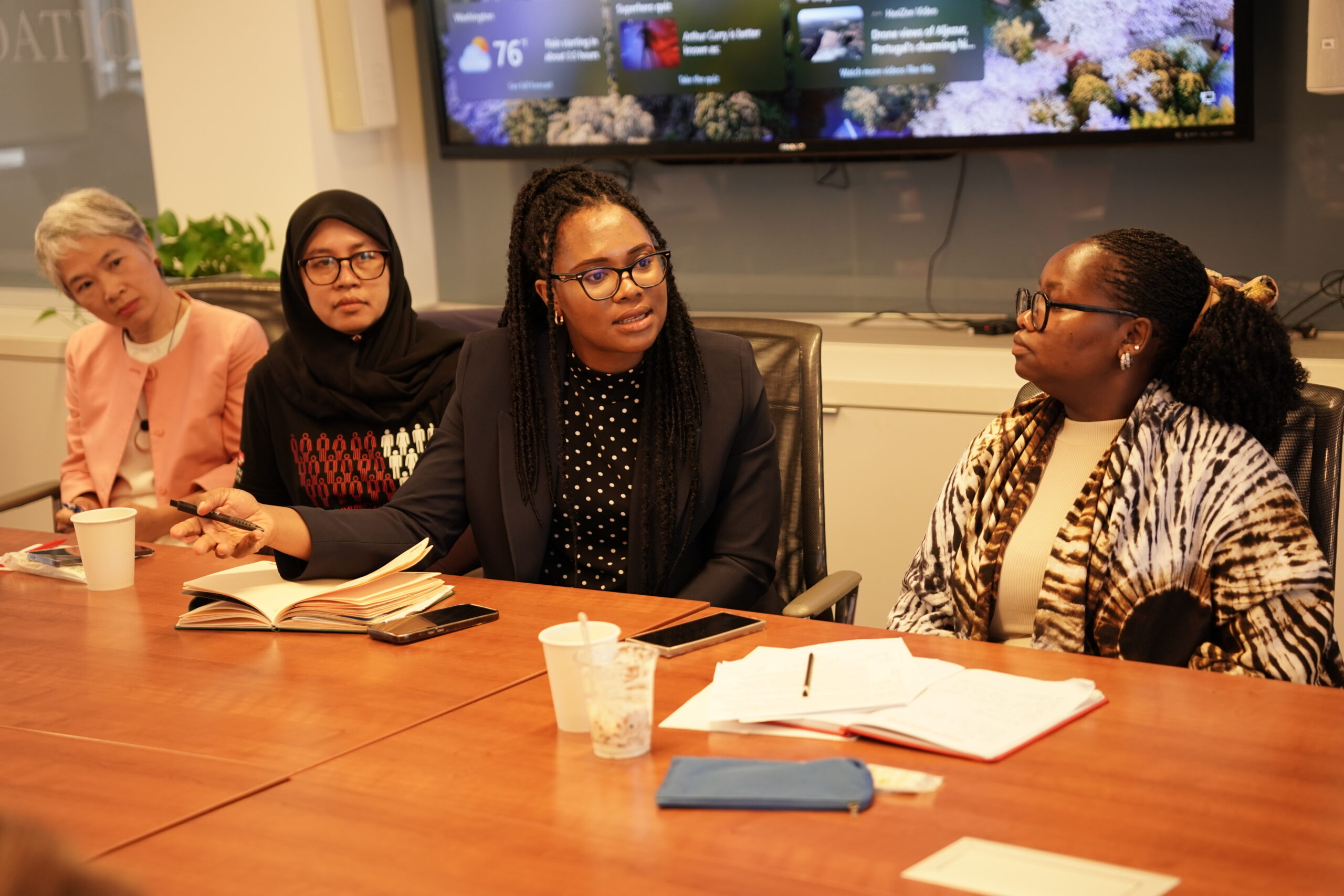
Deborah Ikeh, Executive Director of Debriche Health Development Centre a community-based organization in Nigeria and Director of Programs at the Global TB Caucus, a global network of over 3,000 parliamentarians committed to ending TB, emphasized the importance of coalition-building. Advocacy, she argued, is not about opposition to the government. It is about finding common ground and building support among a multitude of diverse stakeholders whose influence may not always be reflected in official titles or positions. Those stakeholders can in various political systems forge a consensus to address a devastating disease or make sure governments direct sufficient resources to accessible healthcare for the most vulnerable populations.
These lessons are increasingly relevant as countries assume greater ownership of health programs. Sustainable transitions depend not only on policy decisions made by officials and legislators in national capitals, but also on communities, faith leaders, healthcare workers and local organizations that help translate policy into practice.
The Cornerstone of Accountability
In addition to advocacy and community engagement, civil society plays a critical role in ensuring commitments translate into results and governments are held accountable.
For Jerop Limo, Executive Director of the Ambassador for Youth and Adolescent Reproductive Health Program, a non-profit organization in Kenya, community-led monitoring is one of the most powerful tools available to civil society. By collecting real-time information on healthcare access, commodity stockouts, and service disruptions, communities can provide evidence that policymakers can use to strengthen programs and allocate resources more effectively, thereby helping protect health investments.
This role becomes even more important during periods of transition, when governments are assuming greater responsibility for financing and delivering health services. Independent civil society organizations are uniquely positioned to help ensure that commitments made on paper translate to results on the ground. As Deborah Ikeh noted, civil society organizations serve as critical watchdogs that can monitor whether financing commitments are fulfilled and pressure governments to ensure health services remain accessible. They can also elevate to decision-makers in instances when stocks of key medicines for prevention and treatment are running out.
Civil society advocacy does not end when policies are adopted. It is an ongoing process, and an essential part of successful implementation. Indeed, local civil society organizations can often be vital implementers, reaching marginalized communities who trust them.
Looking Ahead
As Oanh reflected, “There are changes in government and leadership, but civil society’s mission does not change.” That mission to elevate community voices, strengthen accountability and help ensure health systems serve those most in need will remain essential as countries navigate the next chapter of country-led health responses.
As countries take greater ownership of their health programs, civil society’s role will become increasingly important. At a time when countries are introducing long-acting HIV prevention tools such as lenacapavir, deploying new malaria prevention interventions or scaling up other innovations, scientific advances alone are not enough. Communities must trust health interventions, understand their benefits and have confidence in the systems delivering them. Otherwise, even well-funded initiatives risk failing to reach the communities they intend to serve. Civil society is therefore the critical and efficient interlocutor and bridge between governments and communities.
The discussion was part of Friends of the Global Fight’s Health Education and Advocacy Learning Series (HEALS), launched in 2021 to strengthen collaboration and advocacy among civil society leaders across low- and middle-income countries and the United States. Each year, HEALS convenes secular and faith civil society leaders and experts in Washington, D.C. for learning and engagement with U.S. policymakers to help ensure that decisions affecting global health programs are informed by those closest to the challenges and opportunities on the ground.