
October 27, 2026
How AIDS, TB and Malaria Disproportionately Impact Women and Children Around the World
By Mark P. Lagon and Kate SantaMaria
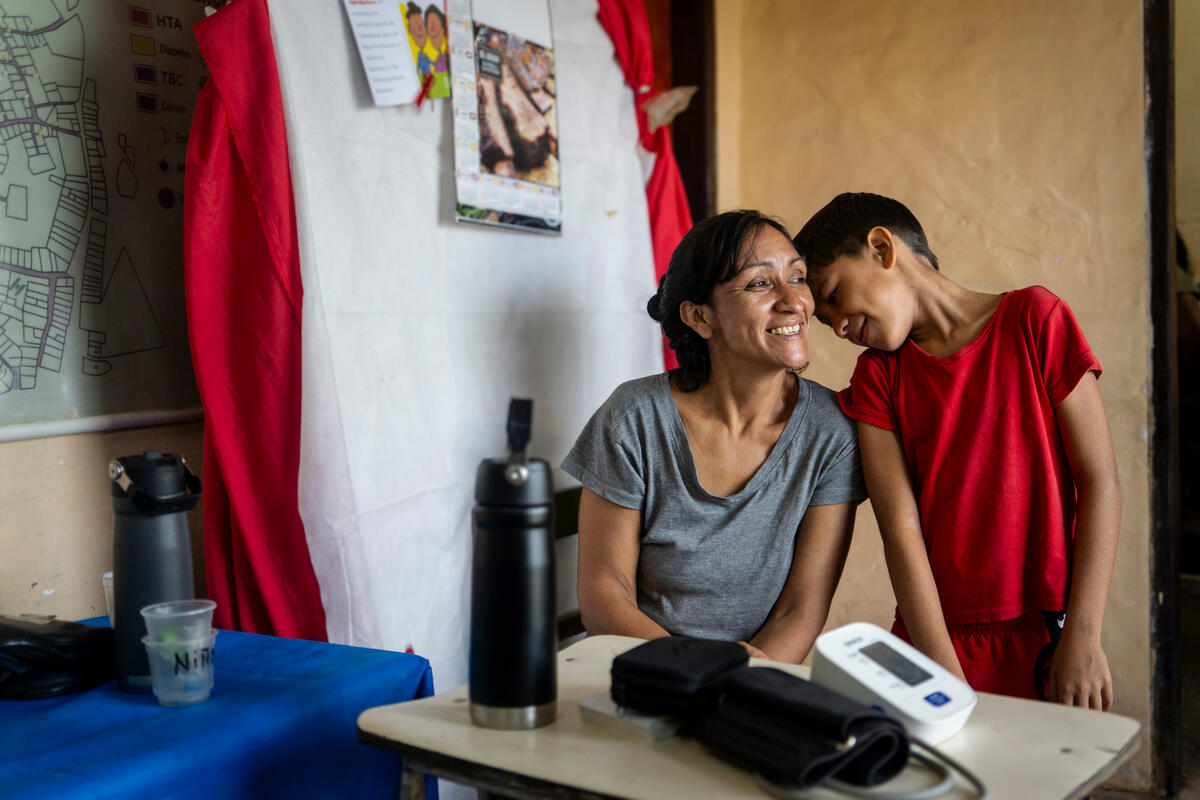
Since its 2002 launch, the Global Fund has cut combined deaths from AIDS, TB and malaria by 65%, yet these diseases still killed over 2.3 million people in 2024-2025, with pregnant women, new mothers and infants in sub-Saharan Africa, Southeast Asia and Latin America facing disproportionate risk.
The Global Fund addresses this through targeted programs like mother-to-child HIV transmission prevention, expanded insecticide-treated net coverage (up from 29% in 2010 to 55% in 2023) and support for frontline health workers who strengthen community health systems. Examples across sub-Saharan Africa, Southeast Asia and Latin America illustrate how these disease-specific interventions, including the Global Fund’s work, are advancing maternal and child health across the globe.
HIV/AIDS in Sub-Saharan Africa
Eastern and Southern Africa alone account for over 50% of global HIV cases. Despite progress over the last decade, women remain disproportionately affected: adolescent girls and young women (15–24) accounted for 44% of new HIV infections in 2025. In 2023, sub-Saharan Africa accounted for 70% of the world’s maternal deaths (182,000), and HIV/AIDS is a direct contributor. Research has shown that HIV/AIDS also raises the risk of maternal mortality by weakening women’s immune systems and increasing vulnerability to anemia, postpartum hemorrhage and sepsis.
A study spanning 1999 to 2020 found untreated HIV-positive women faced higher risks of preterm birth, low birthweight and undersized infants compared to HIV-negative women.
Without prevention, mother-to-child transmission (MTCT) of HIV through breastfeeding can reach 25 to 45%. If infants contract the disease and go undiagnosed, they face heightened risk of infections and brain dysfunction in early childhood, sometimes leading to death. However, a 2025 study found consistent maternal treatment and viral suppression reduce MTCT risk to below 1%, offering hope for the health of both the mother and child.
HIV-related stigma also remains widespread and discourages testing and treatment, particularly among women. Stigma is often tied to cultural expectations placing moral responsibility on women. Pregnant women face added risk: fear of stigma and partner abandonment drives poor treatment adherence and delayed care, and unmarried or adolescent pregnant women often face compounding “double stigma” tied to both premarital sex and HIV status, deepening emotional harm and treatment avoidance.
The Global Fund finances and coordinates HIV prevention, testing and treatment programs across sub-Saharan Africa, including services that prevent mother-to-child transmission and protect maternal and child health by reducing HIV infection and mortality while combating stigma. Thanks to the Global Fund, over 22,000,000 pregnant women know their HIV status and over 600,000 HIV-positive pregnant women receive ART treatment while pregnant in sub-Saharan Africa annually.
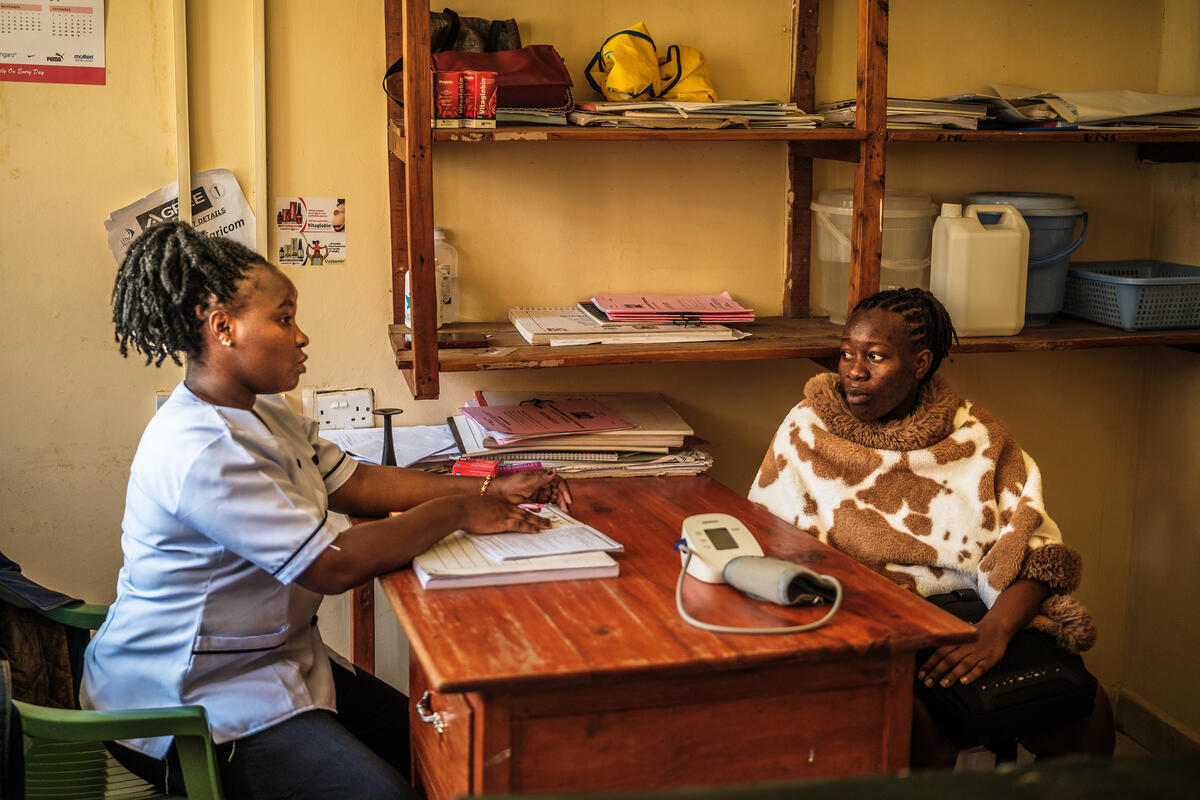
Tuberculosis in Southeast Asia
Tuberculosis (TB) poses a major threat to pregnant and postpartum women worldwide, with Southeast Asia among the hardest-hit regions. Despite holding less than a quarter of the global population, Southeast Asia accounts for more than one in three new TB cases annually. In 2023, an estimated 79,900 pregnant women in Southeast Asia developed active TB (about 33% of global cases), along with 35,900 postpartum women (37% of global cases).
TB is the world’s leading cause of death from a single infectious agent (and more than HIV and malaria combined), while among the top 10 causes of death overall. Pregnant and postpartum women face elevated TB risk, along with worse outcomes including eclampsia, gestational hypertension, postpartum hemorrhage, sepsis, as well as low birthweight, preterm birth, stillbirth and sometimes infant mortality. A Malaysian hospital study comparing 30 infants born to mothers with TB against 120 control infants found double the risk of low birth weight, even tripling when mothers had active TB during pregnancy. However, early diagnosis and regular screening helped prevent neonatal deaths.
A survey of national TB programs across the Western Pacific and Southeast Asia regions found only 22.6% of countries collect pregnancy or postpartum TB data, despite most respondents viewing this data as important for maternal health policy. Barriers include a lack of international data-collection guidelines, insufficient training, inadequate funding and inflexible health information systems. TB is often referred to as the “silent killer,” because key symptoms such as fatigue, shortness of breath and weight changes can pass as normal pregnancy symptoms.
Thanks to the Global Fund, over 1.7 million people are treated for TB in Southeast Asia annually. The Global Fund supports TB case-finding, diagnosis and treatment programs across Southeast Asia, including pediatric TB detection and treatment, and services for pregnant women that protect maternal and child health by reducing TB-related illness and death among mothers and children in high-burden countries such as Indonesia, Myanmar and the Philippines.
Malaria in Latin America
In the Americas, 536,700 malaria cases and around 136 deaths were reported in 2024, with children under five accounting for nearly 20% of mortality—a significant decrease in the last few decades due to intervention programs.
Pregnant women and young children are particularly susceptible to malaria due to their lack of immunity to the disease. In high-risk areas, people can develop a level of immunity to malaria that young children, with limited exposure, and pregnant women with weakened immune systems cannot.
Millions live at moderate to high risk of contracting malaria across 14 Latin American and Caribbean countries, including Brazil, Colombia, Venezuela and Peru, disproportionately affecting displaced people, miners, Amazon farm workers and pregnant women. Malaria during pregnancy poses significant risk to both the mother and unborn fetus. For the mother, the risk of maternal mortality greatly increases, and complications such as severe illness, maternal anemia and organ damage can occur. Studies from 2024 and 2025 identified risks for developing fetuses such as stillbirths, miscarriages, preterm delivery, low birth weight and delayed cognitive development.
Despite treatment and prevention advances, socioeconomic barriers persist. Poverty, low education among pregnant women, distance to healthcare, patriarchal gender roles and local misconceptions about maternal-fetal health all shape malaria risk during pregnancy. A study of three endemic municipalities in the Brazilian Amazon found that health facilities tested only 6.8% of pregnant women for malaria, despite national guidelines. Interviews with health workers revealed the gap traced back to training: only 37.3% had received any formal instruction in managing malaria during pregnancy, and many described learning “in practice, day by day” rather than through structured guidance.
The Global Fund supports malaria prevention, diagnosis and treatment programs across Latin America, leading to nearly 180,000 cases of malaria being treated annually. Programs include intermittent preventive treatment for pregnant women and case management for children that protect maternal and child health by reducing malaria-related illness and death among mothers and children in countries where the risk is high, like Brazil and Venezuela.
Global efforts to combat HIV/AIDS, TB and malaria protect mothers and young children in low- and middle-income countries. Across sub-Saharan Africa, Southeast Asia, Latin America and other parts of the world, mothers and infants remain disproportionately impacted, not just due to weaker immune systems, but also because of systemic barriers such as limited education about these diseases, lack of access to medical treatment, stigma and cultural or religious norms surrounding women’s roles and health.
Continued U.S. investment in the Global Fund and complementary bilateral programs can help achieve a strategic, methodical and gradual transition to country ownership and responsibility. A hasty, unsustainable one risks resurgence of HIV, TB and malaria that harms maternal and child health. Maternal and child health is a cornerstone of the societal and economic growth and stability in low- and middle-income countries that is valuable to Americans’ security, safety and prosperity.
Mark Lagon is Chief Policy Officer at Friends; Kate SantaMaria is former Policy Intern at Friends and senior at Lafayette College