
September 16, 2026
New report: Global Fund partnership has saved 72 million lives since 2002
The Global Fund partnership has saved 72 million lives since 2002, reducing the combined death rate from AIDS, tuberculosis and malaria by 65%
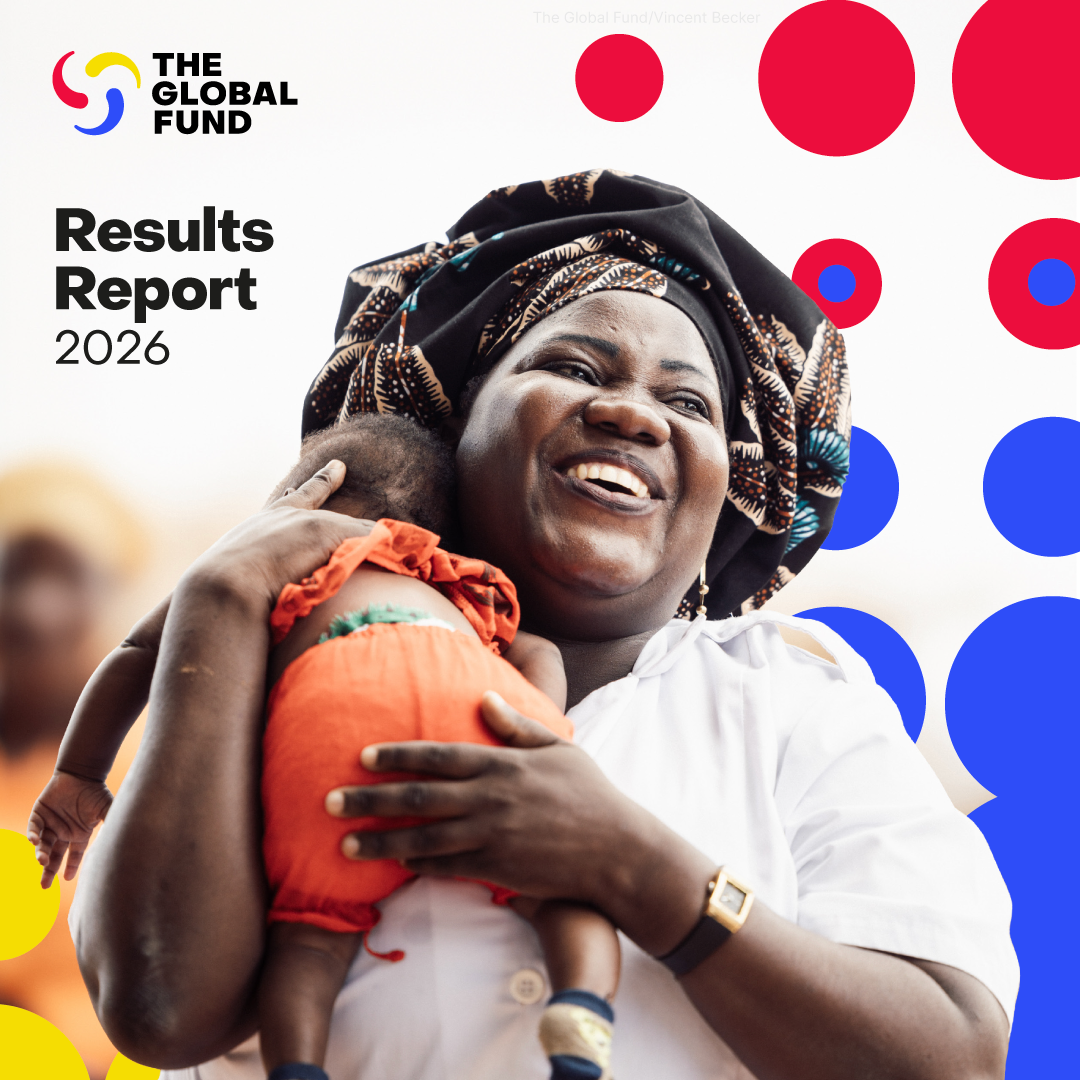
2025 demonstrated the extraordinary resilience and flexibility of the Global Fund partnership. The Global Fund quickly adapted and maintained progress during a changing and constricted global health funding environment, bringing stability to the global HIV, TB and malaria responses.
Last year, the Global Fund expanded access to breakthrough technologies and innovation, including the rollout of lenacapavir for HIV prevention, scaled up AI-enabled digital X-rays for TB detection and increased deployment of dual active-ingredient insecticide-treated mosquito nets, while preparing countries to adopt innovative TB diagnostics and new malaria prevention tools.
The Global Fund continues to play an essential role in aid transition, supporting countries as they move toward greater self-reliance, providing financing, technical expertise and strategic partnership and gradually stepping back as national capacity grows.
With continued U.S. leadership, we can protect hard-won progress and turn recent disruptions into a catalyst for stronger, more sustainable health systems.
HIV
Despite severe disruptions to HIV prevention programs around the world, the Global Fund acted quickly, together with countries, communities and partners, to protect essential HIV services, adapt delivery models, reprioritize investments and sustain access to lifesaving treatment wherever possible.
The rollout of lenacapavir, from U.S. company Gilead Sciences, marks a historic milestone in the HIV response. For the first time, a major HIV prevention innovation became available in low- and middle-income countries in the same year as in high-income countries, helping to accelerate more equitable access to this lifesaving innovation. Through unprecedented collaboration with countries, communities and partners, the Global Fund helped accelerate the rollout of lenacapavir, transforming what could have been years of delay into one of the fastest and most equitable introductions of a major HIV prevention tool in history.
Key results in countries where the Global Fund invests:
- 26.9 million people were on antiretroviral therapy (ART) for HIV in 2025.
- 623,000 pregnant women living with HIV received medicine to keep them alive and prevent transmitting HIV to their babies in 2025.
- 10 million people were reached with HIV prevention services in 2025, including 6.2 million people from key populations and 2.7 million young people.
- Without prevention or treatment, new HIV infections would have risen by 77% and AIDS-related deaths by 98% by 2025 compared with 2002.
- 80% of people living with HIV were on ART in 2025, compared to 22% in 2010.
- 90% of pregnant women received ART in 2025, up from 50% in 2010.
- The number of children orphaned by AIDS has decreased by 33% since 2010.
Impact of external disruptions:
- The number of people receiving pre-exposure prophylaxis, or PrEP, to prevent HIV fell from 1.4 million in 2024 to 1.1 million in 2025.
- More than 2 million adolescent girls and young women lost access to essential health services, leaving a population already at heightened risk of HIV even more exposed.
Tuberculosis
With funding cuts and disruptions to TB services around the world, the Global Fund is making every dollar go farther. Countries are increasing efficiency by integrating and decentralizing TB services, targeting case finding efforts and expanding the use of innovative technologies such as AI-enabled screening and rapid molecular diagnostics.
New technologies such as AI-supported digital chest X-rays, rapid molecular diagnostics and near-point-of-care tests are helping countries detect more people with TB earlier and bring testing services closer to communities.
The Global Fund is accelerating the rollout of near-point-of-care molecular diagnostics, a breakthrough innovation that has the potential to transform the fight against TB by bringing rapid, high-quality diagnosis to local clinics and underserved communities, helping countries detect more people with TB earlier and start lifesaving treatment faster.
Key results in countries where the Global Fund invests:
- 7.4 million people were treated for TB in 2025.
- 115,000 people were on treatment for drug-resistant TB in 2025.
- 3.5 million people in contact with TB patients received preventive treatment in 2025.
- The TB incidence rate reduced by 33% between 2002 and 2024.
- The TB mortality rate reduced by 60% between 2002 and 2024.
- TB deaths (excluding HIV+) reduced by 43% between 2002 and 2024. Without control, TB deaths would have increased by 121% and new cases by 44%.
Malaria
Malaria is at risk of resurging due to insecticide resistance, extreme weather, conflict, demographic trends, displacement and funding shortfalls. Abrupt funding cuts in 2025 led to stock-outs of essential medicines, delays to prevention campaigns and setbacks in efforts to monitor and respond to resistance. The Global Fund partnership worked with countries to reprioritize investments, optimize resources to protect the most effective and cost-efficient malaria interventions and scale up new innovations.
Dual active-ingredient insecticide-treated mosquito nets now account for 78% of insecticide-treated nets procured through the Global Fund’s Pooled Procurement Mechanism, reflecting one of the fastest large-scale shifts to a new malaria prevention tool in recent years.
The Global Fund is supporting countries to diversify treatment approaches today while preparing for next-generation medicines, including triple artemisinin-based combination therapies (TACTs), that could help stay ahead of emerging antimalarial drug resistance. The Global Fund is also accelerating the deployment of spatial repellents, partnering in 2026 with the U.S. government and U.S. company SC Johnson. Used alongside existing interventions, these innovative tools could help protect at least 60 million people by 2028.
Key results for 2025 in countries where the Global Fund invests:
- 196 million insecticide-treated mosquito nets were distributed to protect families
- from malaria.
- 367 million suspected cases of malaria were tested.
- 167 million cases of malaria were treated.
- 52.1 million children received seasonal malaria chemoprevention.
- 19.9 million pregnant women received preventive treatment.
- 25.8 million people were protected by indoor residual spraying in 2025.
For more information, read the full results report.